


Dreambaby Outlet Plugs 24pk
$5.91
$6.95
SAVE $1.04
4.5 out of 5
Babies get on the move fast; one day it feels like you’re cradling them in your arms and the next you’re wishing you had 360 degree vision to keep up with their every move. That’s why it’s important to think about babyproofing your home before they start getting mobile – and getting into places that might surprise you.
Babyproofing involves “going through your home and looking for any hazards an infant or toddler might be able to access once they're learning to crawl and walk,” explains Robert Mastromanno, Baby Bunting’s quality assurance compliance specialist.
| Room | Key Hazards | Safety Actions |
| Bathroom | Hot water, medications, drowning risk | Lock medicine cabinets, remove bath plug when not in use, install toilet lid lock, use non-slip mats, never leave child unattended in bath |
| Kitchen | Sharp objects, heat, chemicals | Lock knife drawers and cupboards, use oven locks, store chemicals up high with child locks, unplug small appliances, remove fridge magnets |
| Laundry | Chemicals, washing machines | Lock chemical cupboards, install door locks to restrict room access, check inside machines before use |
| Bedrooms | Furniture tipping, choking hazards | Anchor furniture to walls, remove small objects and scissors, wind up blind cords, place cot away from blinds and decorations |
| Living Areas | Electrical, furniture corners, small objects | Secure TVs to wall, hide electrical cords, use corner guards on furniture, keep batteries and remotes out of reach |
| Stairs / Balconies | Falls | Install baby gates at top and bottom, gate all balcony doors |
| Backyard / Garage | Tools, pools, vehicles | Lock all chemicals and tools away, install childproof door latches, lock vehicle doors, fence pools (legally required for 30 cm+ depth) |
1. Use your imagination
Pools, stairs and small objects often come to mind when you think about babyproofing, but when you look at your home, try to view everyday objects from your baby’s perspective. For example, a TV remote might feel innocent, but babies love to bang and hit anything they can hold – will the batteries come out easily, or could the plastic casing break?
2. See what they see
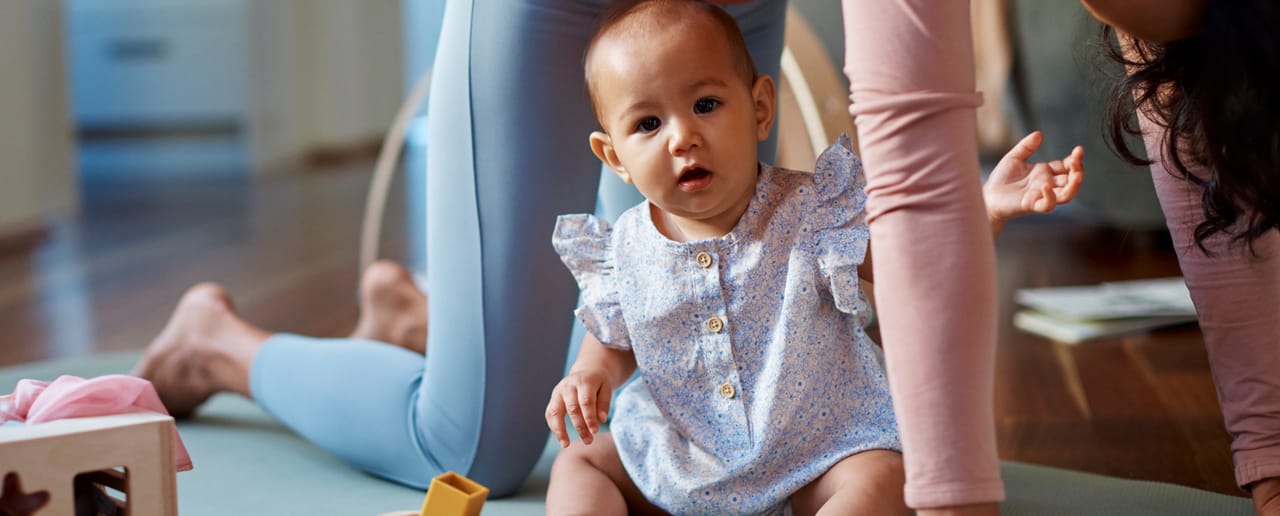
Your child won’t be seeing the same parts of the house you see every day. Get down on your hands and knees to see what is at eye-height for them.
3. Choose quality child safety products
Not everyone chooses to use child safety products, but if you do, quality is important. For example, if you have a baby gate to keep your child out of an area where you store chemicals or to block stairs, you want to feel confident it fits well, is installed securely, and that your child will not be able to get the baby gate open.
4. Explain the rules to your child
As your child gets older, speak to them about hazards in a way they can understand. If they get close to the oven, for example, say “Ouch! That’s hot.”
5. Regularly reassess for danger as your child grows
Crawling, pulling themselves up to stand, walking, climbing – your child will grow and develop quickly, and with each new skill comes new potential safety hazards in the home. Babyproofing is an ongoing process. Put a reminder in your calendar each month or two to have a look around your house with fresh eyes.
6. Be prepared
Keep your home safe for everyone by having working smoke alarms in every bedroom and living space.
Remove any toxic plants from your household.
Have a well-stocked first aid kit and store the Poisons Information line in your phone in case you need it – it’s 13 11 26. If an accident happens, see your doctor or go to the hospital.
Medicine bottles, hot water and open water are the big things to think about here. Also think about slip hazards. These are some good precautions to take.
This is similar to your bathroom, think about fingers that can get jammed and always look inside your washer and dryer before you turn it on in case your child has put any toys or random items in there.
The kitchen is a high-traffic area and a place of lots of intrigue for your child. It’s also full of sharp knives and heat, so pay special attention to keeping an eye on your child when they’re exploring the kitchen.
Think about furniture anchors for bookshelves and chests of drawers to address toppling furniture risks, and watch for any sharp corners, blind chords or small objects that could be a choking hazard.
A prime play area for your little one, they can have lots of fun here but tools, pools and access to water should be on your radar.
Babyproofing doesn’t stop at obvious areas. You should continually reassess potential hazards and dangers as your child grows. Here’s what to stay on top of.
Tables and chairs
Batteries and electrical
Floors and windows
Stairs and balconies
Furniture
Doors
Bags
Every parent, every child, and every household is different – you might do all the above and more. Also, be led by your child and consider creating a ‘yes space’ for them, which is an area of the house like their bedroom or a section of a playroom that you make fully safe and baby-friendly where they are free to roam, explore and play independently, alongside your careful supervision.
Babyproofing is an ongoing process that evolves with your child's development. Focus on the biggest hazards first, reassess regularly, and remember that supervision remains your most important safety tool alongside physical barriers.